As the one-year mark of Donald Trump’s second-term inauguration approaches, a series of new polls reveal how Americans currently view his performance.
Since returning to the White House in January as the 47th President, Trump has moved quickly to implement major policy changes. Over the past 11 months, his administration has reshaped immigration rules, adjusted economic policies, and introduced new trade measures that significantly disrupted global markets. A lengthy federal government shutdown also took place in the fall.
Internationally, Trump has remained active on foreign issues, including diplomatic efforts related to ongoing conflicts. Domestically, he authorized National Guard deployments in several major cities as part of broader public-safety initiatives.
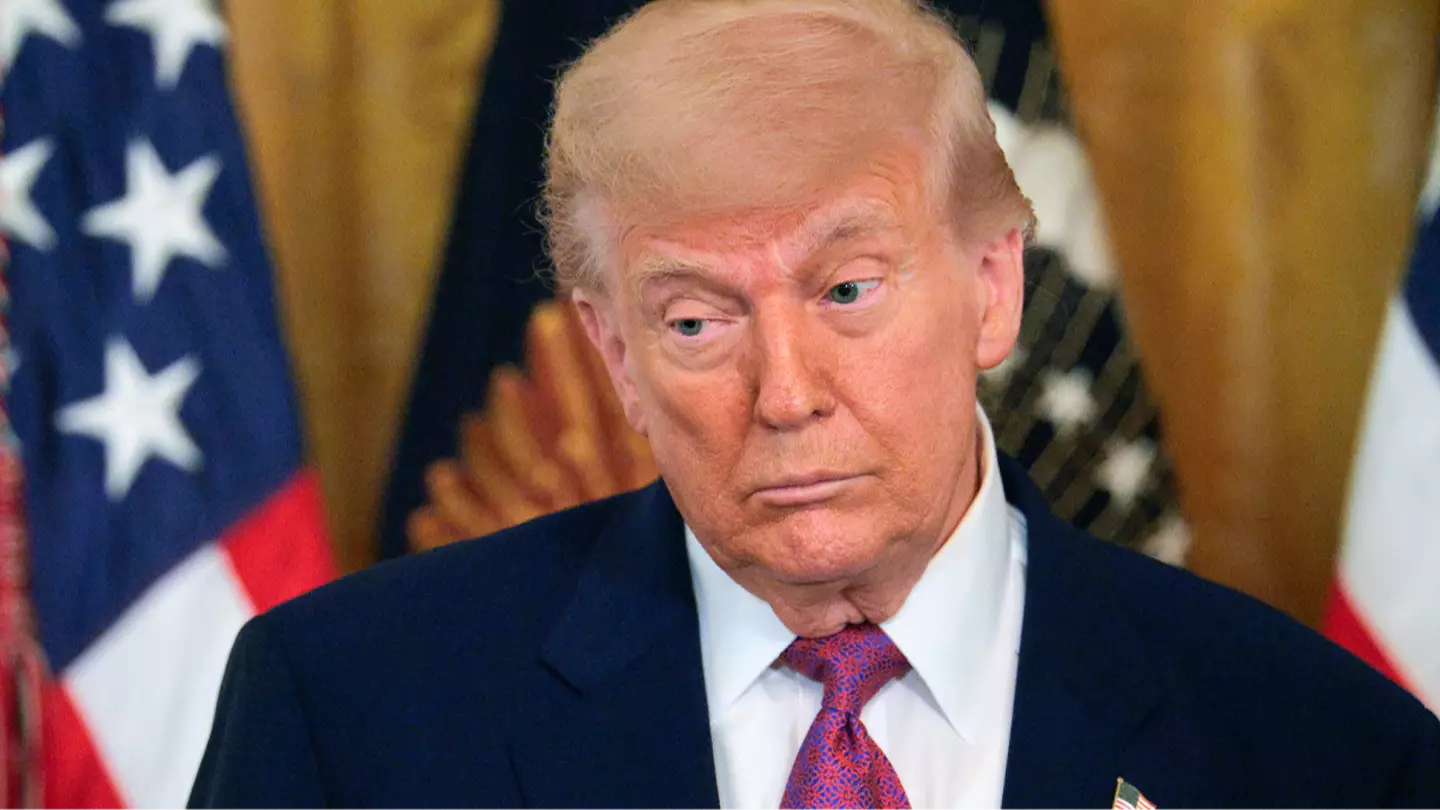
Despite these actions, Trump’s approval ratings have generally declined.
In October, a national survey showed 63% of Americans disapproved of his performance—one of the highest numbers recorded during his presidency. Another Reuters/Ipsos poll highlighted widespread concern about rising living costs.
A more recent New York Times poll suggests a slight rebound, with 42% approving and 55% disapproving as of December 5. Yet, many voters remain unsatisfied with how the administration is handling economic issues. Only 26% in last month’s Reuters poll said they felt the government was effectively managing the cost of living.
Support among Republicans has also softened. A Marquette University survey found approval of Trump’s economic leadership at 75%, down from 82% in July.
Beyond the economy, voters continue to express concerns about several national and international issues, including federal spending, healthcare, and ongoing global conflicts. According to Gallup, Trump’s highest approval ratings are in areas such as crime, foreign affairs, trade, and immigration, though none exceed the mid-40 percent range.
Multiple polls also show a decline in support from key demographic groups, including college-educated white men.
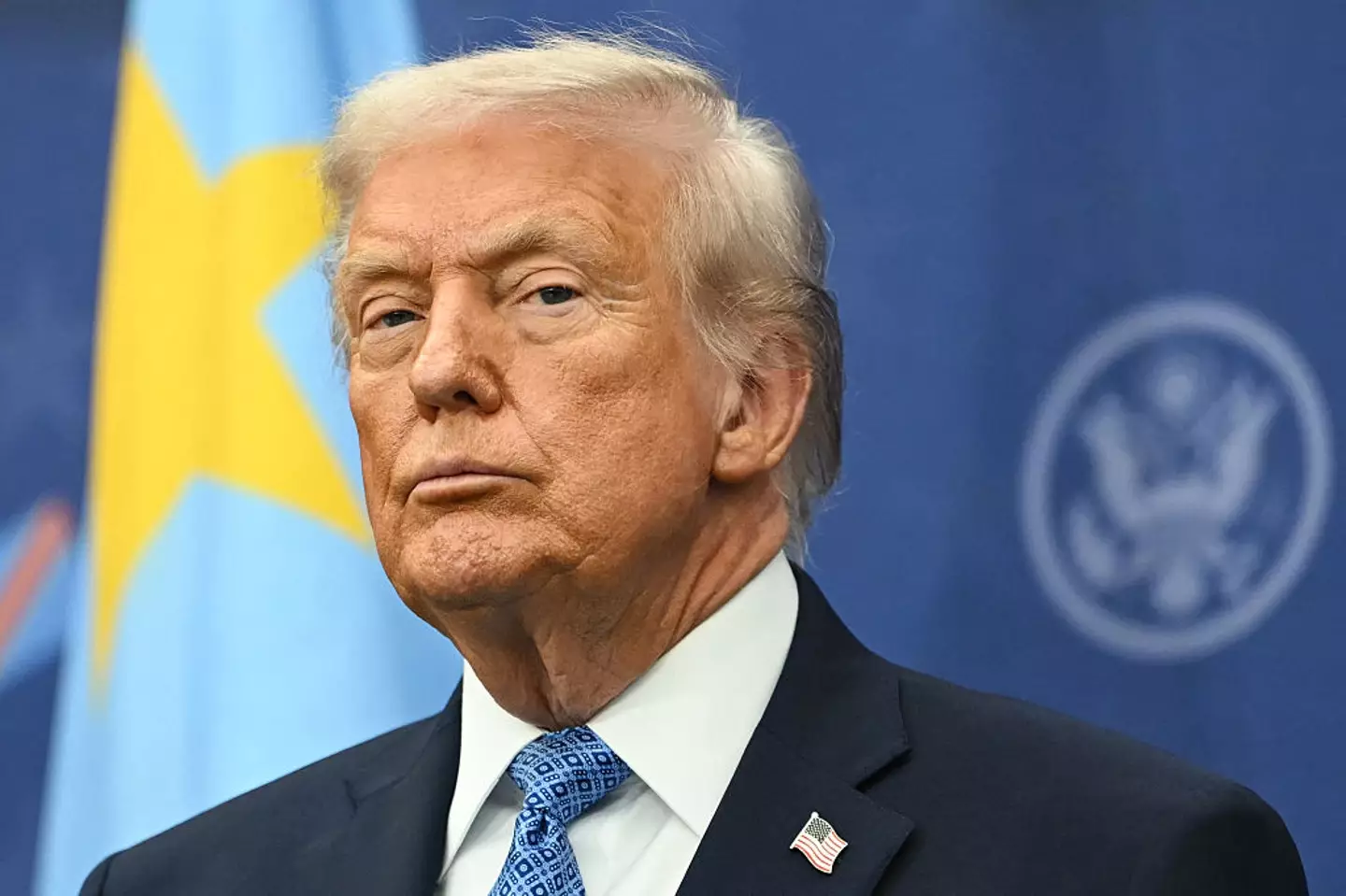
Another survey tracking 1,628 adults indicated Trump’s net approval rating has stayed at -15 or worse for seven consecutive weeks — an unusual trend compared to his first term.
For comparison, Joe Biden held a net approval of -9 at the same point in his presidency. Meanwhile, some polling suggests former President Barack Obama remains more favorably viewed than both Trump and Biden.
Overall, the data forecasts challenges ahead for the Republican Party. Several polls show Democrats gaining momentum for the upcoming midterm elections, with 55% of Americans saying they are more inclined to vote Democratic in their district.